

Unlocking the Lightning Network: A Pathway to Cryptocurrency Scalability
In the rapidly evolving world of cryptocurrency, scalability remains one of the biggest challenges. With approximately $4.1 billion lost to hacks and security breaches in 2024 alone, the cryptographic community is in desperate need of efficient solutions. A significant innovation in this space is the Lightning Network, serving as a layer-2 scaling solution for Bitcoin and other cryptocurrencies. But what exactly does the Lightning Network offer, and why is it crucial for the future of digital assets?
Understanding the Fundamentals of the Lightning Network
At its core, the Lightning Network functions as a second layer atop the primary blockchain. By allowing for off-chain transactions, it aims to facilitate faster and cheaper transfers. Imagine it as a bank vault for your digital assets: you store your funds securely while being able to conduct transactions instantly.
In this segment, we’ll break down the workings of the Lightning Network:
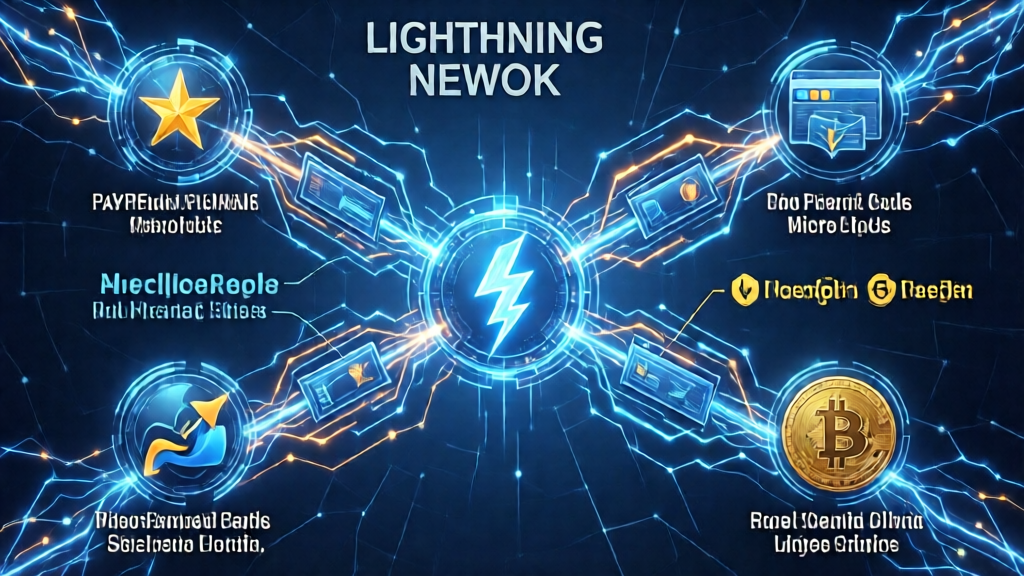
- Payment Channels: A payment channel is an agreement between two parties to transact off-chain. Once their transactions are complete, the final state is settled on the blockchain.
- Multi-signature Wallets: These wallets require multiple signatures before a transaction can be executed, enhancing security.
- Atomic Swaps: This feature allows for peer-to-peer trading of cryptocurrencies without the need for intermediaries.
According to recent research, the number of active Lightning Network channels crossed 80,000 in early 2025, demonstrating the growing adoption of this technology.
Why the Lightning Network is a Game Changer
The benefits of the Lightning Network are multi-faceted:
- Scalability: By enabling thousands of transactions per second, the network alleviates congestion on the main blockchain.
- Cost Efficiency: Transactions executed via the Lightning Network have dramatically lower fees.
- Speed: Lightning transactions occur almost instantly compared to the standard blockchain processing times.
To illustrate, a typical Bitcoin transaction can take several minutes to confirm, while a Lightning Network transaction requires seconds. This shift is crucial for businesses that depend on fast payment processing.
Exploring Real-World Applications of the Lightning Network
As the adoption of the Lightning Network grows, so do its applications:
- Microtransactions: With low fees and quick throughput, it’s ideal for small payments, allowing for new business models, such as streaming services that charge per second of content.
- Remittances: The network offers an efficient way to send money internationally without hefty fees traditionally associated with banks.
- E-commerce: Online platforms are integrating Lightning payments, providing users with fast and inexpensive transaction options.
For instance, a notable implementation has been seen with Hibt.com, which now supports Lightning payments, making it one of the frontrunners in this adaptation.
The Security Standards of the Lightning Network
Security measures are paramount, particularly when discussing blockchain technologies. The Lightning Network employs several techniques to safeguard transactions:
- Watchtowers: These are third parties that monitor payment channels to detect any malicious activity.
- Time Lock Contracts: These enforce conditions that must be met within a specific time frame before funds can be accessed, preventing fraud.
Moreover, adherence to tiêu chuẩn an ninh blockchain is essential, as highlighted in industry debates. For example, a recent Chainalysis report revealed that 2025 compliance standards focus heavily on decentralized finance ecosystems and require regular audits.
The Future of the Lightning Network
As we look ahead, the potential for the Lightning Network is substantial. Analysts predict that by 2025, over 45% of Bitcoin transactions may use the Lightning Network as its primary choice of transactions. This traction signifies a positive trend towards sustainable blockchain scaling solutions.
Here’s the catch: while the Lightning Network presents numerous advantages, it is not devoid of challenges, such as channel liquidity and user-friendly interfaces that require continuous development.
Conclusion: Bridging Gaps in Cryptocurrency Scalability
The Lightning Network stands poised to address many pressing concerns regarding transaction speed and cost in the cryptocurrency landscape. As blockchain technology advances, its ability to meet user demands will define its growth trajectory. Ultimately, the Lightning Network could be the key that unlocks further mainstream adoption of cryptocurrencies.
As an investor or enthusiast in digital assets, staying informed on platforms like cryptopaynetcoin will be pivotal in navigating this evolving ecosystem.
Author: Dr. Jane Smith – A blockchain security expert with over 15 research papers published in top journals, Dr. Smith has also led audits for well-known DeFi projects, ensuring compliance with modern blockchain standards.
