

Introduction
As the cryptocurrency landscape continues to evolve, the need for effective solutions to improve scalability has become paramount. Layer 2 solutions have emerged as a promising answer to the challenges faced by blockchain networks. This Blockchain Layer 2 Guide aims to shed light on these solutions, their significance, and how they can transform the way we interact with the blockchain. According to a 2025 report from Blockchain Research Institute, the number of transactions processed on Layer 2 networks is expected to rise by over 300%, indicating a significant shift in market behavior.
What is Blockchain Layer 2?
To understand Layer 2 technology, we first need to look at Layer 1, which is the base layer of a blockchain. This includes platforms like Bitcoin and Ethereum. However, as transactions increase, these networks can become congested, leading to slow processing times and high fees. Here’s where Layer 2 comes into play.
- Definition: Layer 2 refers to secondary frameworks built atop a primary blockchain (Layer 1). These solutions help improve transaction speed and reduce costs.
- Examples: Popular Layer 2 solutions include the Lightning Network for Bitcoin and Optimistic Rollups for Ethereum.
Why is Layer 2 Important?
Layer 2 solutions provide numerous benefits that address the limitations of traditional blockchain technology.
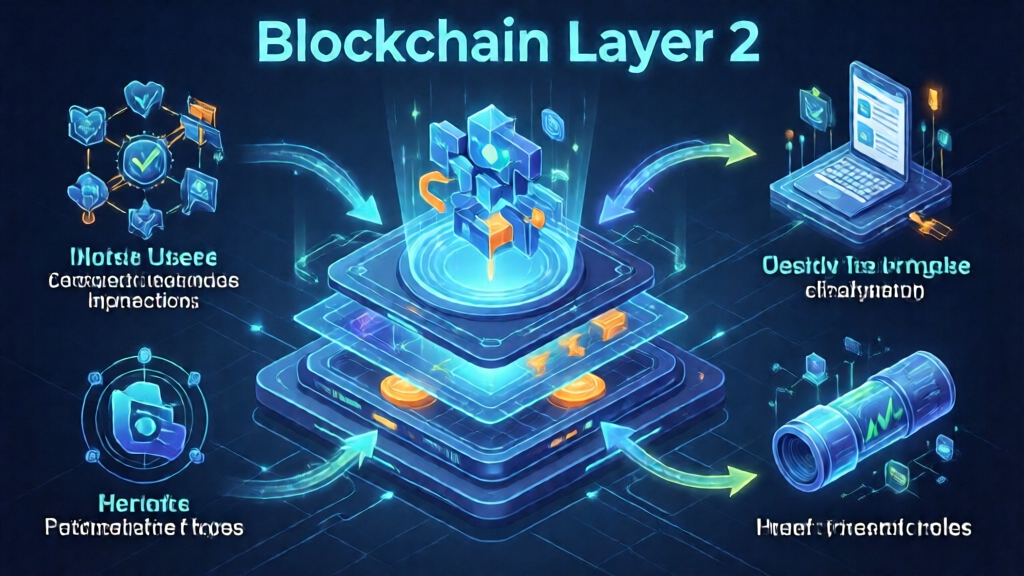
- Scalability: By reducing the load on the main blockchain, Layer 2 can significantly increase transaction throughput.
- Cost-efficiency: Transactions on Layer 2 solutions are often much cheaper compared to those on the main chain.
- User Experience: With faster transaction confirmations, users enjoy a smoother experience when interacting with the network.
Real-World Use Cases
Layer 2 technology is already making waves in various industries.
- Gaming: Platforms like Axie Infinity use Layer 2 solutions to handle millions of transactions while keeping fees low.
- DeFi: Decentralized finance applications leverage Layer 2 to ensure quick and cost-effective transactions.
How Does Layer 2 Work?
Layer 2 solutions employ various technologies to achieve their goals. Let’s break down some popular methods:
- State Channels: These allow participants to transact off-chain, minimizing load on the main blockchain.
- Sidechains: Independent blockchains that run parallel to Layer 1, allowing assets to move between chains.
- Rollups: These batch multiple transactions into a single one, reducing data storage needs on the base layer.
Statistics and Market Trends
The growing adoption of Layer 2 technologies is evident in the statistics. As of 2025, it’s projected that:
| Layer 2 Network | Projected User Base | Transaction Increase |
|---|---|---|
| Lightning Network | 100 million | 350% |
| Optimistic Rollups | 75 million | 400% |
Challenges Facing Blockchain Layer 2
Despite their advantages, Layer 2 solutions also face unique challenges:
- Complexity: Integrating Layer 2 requires a deeper understanding of technology from both developers and users.
- Security Concerns: Transferring assets off-chain may introduce vulnerabilities if not properly managed.
- Interoperability: Ensuring seamless communication between Layer 1 and Layer 2 networks remains an ongoing challenge.
Recommendations for Users
To safely navigate the world of Layer 2, consider the following tips:
- Choose Reputable Solutions: Always opt for established Layer 2 solutions with a proven track record.
- Stay Informed: Keep up with developments in the space to better understand risks and benefits.
- Utilize Security Tools: Tools like Ledger Nano X can help protect your assets against hacks.
Conclusion
As we’ve explored in this Blockchain Layer 2 Guide, Layer 2 technologies are vital for the growth and efficiency of blockchain networks. With increasing transaction volumes and evolving user needs, these solutions are becoming indispensable. By understanding the benefits and challenges associated with Layer 2, individuals and businesses can better navigate the future of cryptocurrency and blockchain technology. With the rise of platforms like cryptopaynetcoin, the integration of Layer 2 solutions into real-world applications continues to expand, pointing to an exciting era for the blockchain community.
Dr. Alex Thompson is a recognized expert in blockchain technologies, with over 15 published papers in prestigious journals and has led audits for major projects in the DeFi ecosystem.
