

Exploring Ethereum Property Token Standards in 2025
With the global real estate market reaching an estimated $280 trillion in value, the demand for innovative solutions to tokenize assets has never been greater. In this landscape, Ethereum property token standards are paving the way for new opportunities in real estate investment. This article explores the significance of these standards, the technology behind them, and their impact on the Vietnamese market.
Understanding Ethereum Property Token Standards
Ethereum property token standards refer to a set of guidelines and protocols, primarily encompassed in Ethereum Improvement Proposals (EIPs), that facilitate the creation and management of property tokens on the Ethereum blockchain. These tokens represent ownership in real estate assets, making transactions faster, more secure, and accessible.
What are EIPs?
Ethereum Improvement Proposals (EIPs) are design documents providing information to the Ethereum community. They cover various facets of the network, including the token standards essential for real estate. The most relevant EIPs include:
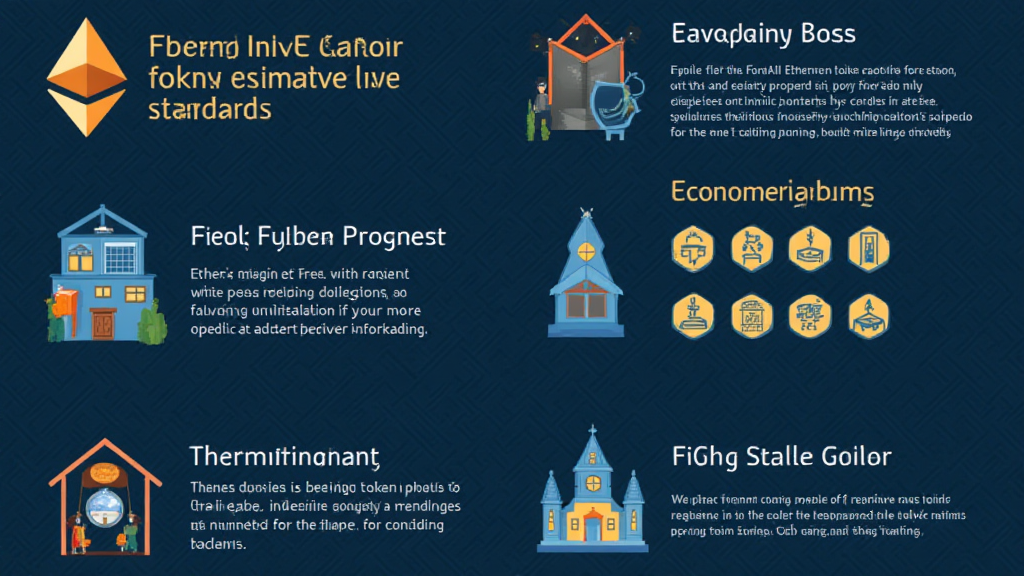
- EIP-721: Defines non-fungible tokens (NFTs), which can represent unique properties.
- EIP-1155: Introduces a multi-token standard, allowing both fungible and non-fungible assets.
- EIP-20: Establishes the standard for fungible tokens, facilitating easy trading and transfer.
These standards ensure compatibility and interoperability among different platforms and applications in the Ethereum ecosystem.
The Significance of Tokenization in Real Estate
Tokenization of real estate assets opens doors to fractional ownership, which allows multiple investors to share the purchase of a property. According to recent studies, approximately 63% of Vietnamese investors are interested in cryptocurrency and blockchain technology.
The Benefits of Property Tokenization
- Liquidity: Tokenization enhances liquidity by allowing fractions of properties to be sold, thereby attracting a broader range of investors.
- Security: Blockchain technology provides secure and transparent records of ownership and transfers.
- Access: Lower barriers to entry enable more investors to participate in real estate markets, particularly in developing regions.
Challenges Facing Ethereum Property Token Standards
Despite the advantages, challenges remain in the widespread adoption of property token standards.
Regulatory Hurdles
Compliance is a significant challenge in many regions, including Vietnam. The government is still drafting regulations surrounding cryptocurrency and securities, which creates uncertainty for investors.
Technical Limitations
While Ethereum is the leading platform for tokenization, scalability can be an issue, especially during peak usage times. This limits transaction speeds and increases costs, which could deter investors.
Future Trends in Ethereum Property Tokenization
Looking ahead, the evolution of Ethereum property token standards will likely adapt to emerging trends:
- Integration with DeFi: Property tokens will integrate with decentralized finance platforms to enhance liquidity and provide additional financial products.
- Greater Regulatory Clarity: As regulations become clearer, more traditional investors may enter the market.
- Innovative Financing Models: New models such as crowdfunding will emerge, allowing diverse investment strategies.
Practical Applications of Ethereum Property Tokens in Vietnam
Vietnam’s burgeoning economy and increasing interest in blockchain technology make it a prime candidate for property tokenization. Property token standards can enable:
- Affordable Housing Investments: Tokenization could facilitate investments in affordable housing projects, making them more accessible.
- Crowdfunding Real Estate: Developers can leverage tokenization to raise capital through crowdfunding efforts, improving project feasibility.
Moreover, as the Vietnamese government moves towards clearer regulations, local projects are likely to emerge, enhancing infrastructure and providing deliberate investment security.
Conclusion
In summary, Ethereum property token standards are reshaping the real estate landscape by enabling greater accessibility, liquidity, and security. As the adoption of blockchain technology continues to rise in Vietnam—where user growth rates are projected to increase by 30% by 2025—the potential for property tokenization is immense. To stay ahead, investors must keep abreast of developments in EIPs and regulatory changes.
For those looking to learn more about cryptocurrency and the evolving landscape of Ethereum, visit cryptopaynetcoin. Not financial advice. Consult local regulators.
Author: Dr. Nguyen Minh Tu, a blockchain technology expert with over 20 published works in the field of digital assets and tokenization, and a key contributor to several high-profile blockchain audits.