

Introduction
In a fast-evolving digital landscape, the introduction of Non-Fungible Tokens (NFTs) has garnered significant attention, especially with the emergence of Dynamic NFTs. These innovative digital assets are not static; rather, they can evolve based on various criteria, creating endless possibilities for their use.
What are Dynamic NFTs?
Dynamic NFTs are digital tokens that can change attributes, ownership, or functionality over time and can be programmed to adapt to different conditions. Unlike traditional NFTs, which are immutable once minted, Dynamic NFTs can evolve as they are interacted with by their owners or external data sources.
Key Characteristics of Dynamic NFTs
- Changeable Attributes: The traits of a Dynamic NFT can be programmed to change according to predetermined conditions, such as time or user interactions.
- Real-time Data Integration: They can incorporate real-time data, ensuring their relevance and enhancing the user experience.
- Interactivity: Dynamic NFTs offer a more engaging experience for users compared to traditional static NFTs.
Use Cases of Dynamic NFTs
The potential applications of Dynamic NFTs are vast, offering new avenues for creativity and revenue streams. Let’s explore some compelling use cases:
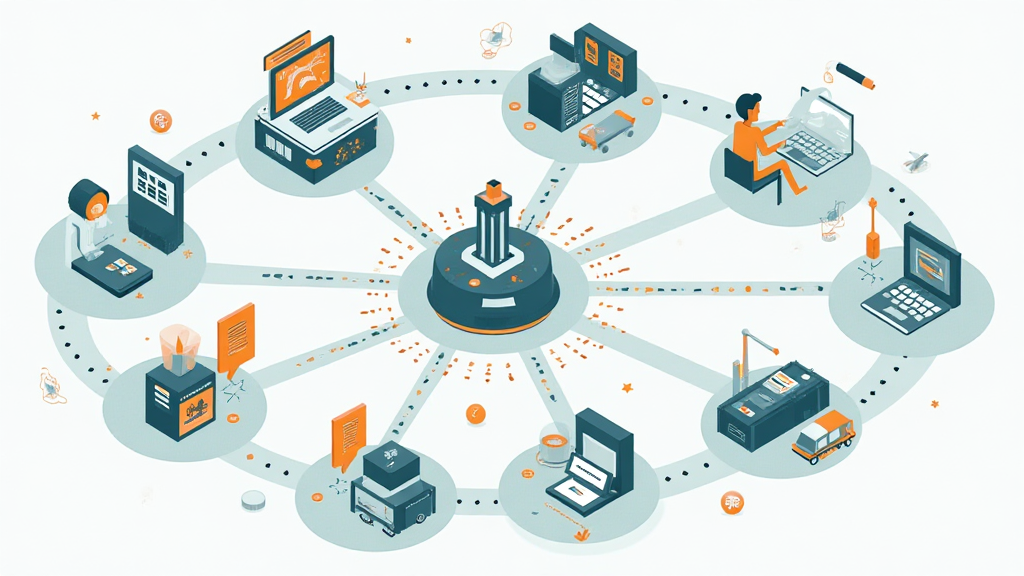
1. Entertainment and Gaming
Dynamic NFTs can transform the gaming and entertainment industries, allowing players to own assets that evolve based on their in-game achievements.
- Game Items: Consider a rare sword in an RPG game that gains levels and evolves as the player progresses through the game. This enhances the player’s investment in their character.
- Fan Engagement: Artists and musicians can create Dynamic NFTs that evolve based on fan interactions, such as ticket purchases or streaming milestones.
2. Digital Collectibles
The world of collectibles can greatly benefit from Dynamic NFTs.
- Value Appreciation: For example, a Dynamic NFT baseball card could change its value or attributes based on a player’s performance in the league.
- Interactive Art: Artists could create pieces that change appearance based on current events or viewer engagement.
3. Identity and Credentials
Dynamic NFTs have a compelling application in managing digital identities and credentials.
- Certification: Educational certificates could be issued as Dynamic NFTs that update as students attain more achievements or qualifications over time.
- Identity Verification: The evolving attributes of a Dynamic NFT could reflect a person’s current qualifications or identity status in real-time.
4. Real Estate and Property Management
Dynamic NFTs can revolutionize how real estate assets are managed.
- Property Listings: A property could be listed as a Dynamic NFT that updates its status automatically based on real estate market conditions.
- Ownership Transfers: They can facilitate smarter contracts for transferring ownership, automatically adapting to regulations and legal requirements.
5. Decentralized Finance (DeFi)
In the DeFi space, Dynamic NFTs can support complex financial products.
- Collateral Management: NFTs could dynamically adjust their collateral status based on the value of underlying assets they are linked to.
- Yield Farming: Dynamic NFTs can integrate rewards based on user participation in liquidity pools.
Market Trends and Future Prospects
According to Chainalysis, the NFT market continues to grow, with significant increases in engagement from various sectors. In Vietnam, the number of active crypto users surged by 22% from the previous year, indicating a growing interest in dynamic applications of blockchain technology.
Challenges and Considerations
Despite the advantages, implementing Dynamic NFTs comes with its own set of challenges that stakeholders must consider:
- Technical Complexity: The smart contracts governing Dynamic NFTs require advanced coding skills and rigorous testing to avoid vulnerabilities.
- Market Understanding: Users may need education on the benefits and workings of Dynamic NFTs to drive adoption.
- Regulatory Issues: Compliance with local regulations regarding digital assets is crucial, especially in countries like Vietnam where regulations are still developing.
Conclusion
Dynamic NFTs are paving the way for the future of digital assets, encompassing diverse use cases that span entertainment, identity verification, real estate, and DeFi. Their ability to grow and change will attract both creators and users, unlocking a wealth of opportunities in the digital economy.
With continued advancements, developers and businesses should start exploring how to integrate Dynamic NFTs into their operations to enhance engagement and value for users.
Ultimately, platforms like cryptopaynetcoin are positioned to play a pivotal role in this transformative journey, bridging the gap between technology and user experience.
About the Author
Dr. Thanh Nguyen is a renowned expert in blockchain technology with over 15 published papers in the field and has led numerous high-profile projects in auditing and compliance. His insights into Dynamic NFTs provide a unique perspective on their potential impact on the future of digital assets.
