
Rollups: The Future of Blockchain Scalability
In the rapidly evolving landscape of blockchain technology, scalability remains one of the most critical challenges facing crypto platforms today. In 2024, a staggering $4.1 billion was lost due to decentralized finance (DeFi) hacks, highlighting the need for more robust solutions. Enter rollups—an innovative layer 2 scaling solution that optimizes transaction processing and enhances security on platforms like cryptopaynetcoin.
Understanding Rollups
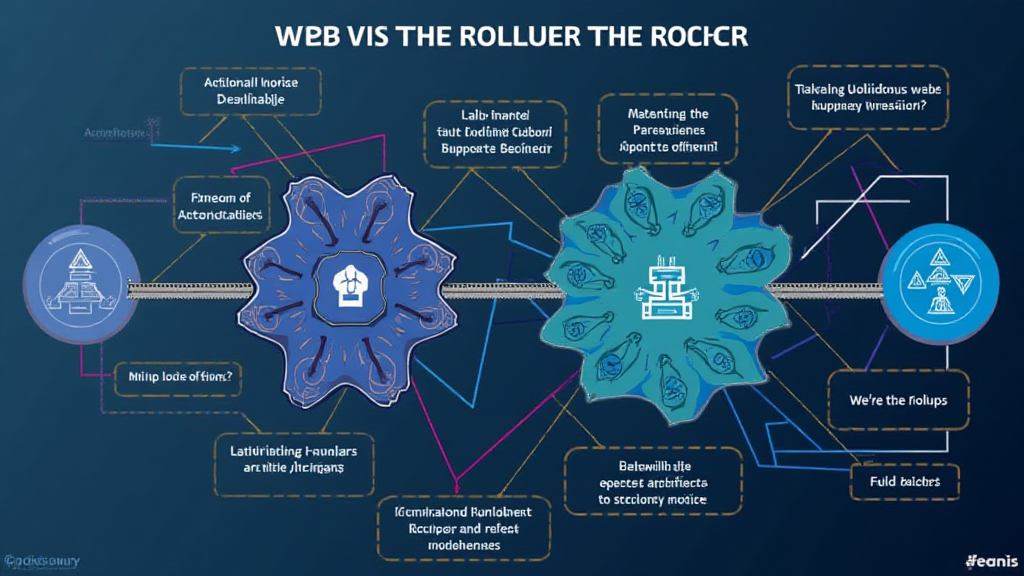
Rollups offer a unique way to bundle multiple transactions into a single one, significantly decreasing the computational and financial burden on the blockchain network. They work by executing transactions off-chain while storing only the essential data on-chain. This method not only improves throughput but also reduces transaction fees, making it appealing to both users and developers.
- Types of Rollups: Primarily, there are two types of rollups: optimistic rollups and zero-knowledge rollups (ZK-rollups).
- Optimistic Rollups: These assume transactions are valid by default and only run fraud proofs when challenged. Popular platforms include Arbitrum and Optimism.
- ZK-Rollups: They use cryptographic proofs to validate transactions, providing immediate finality and enhanced security. An example is zkSync.
The Role of Rollups in Enhancing Blockchain Scalability
Scalability is vital for blockchain adoption, especially in emerging markets like Vietnam where the user growth rate has soared by approximately 30% in the past year, driven by increased interest in cryptocurrencies. Rollups play a significant role in addressing these scaling issues by allowing blockchains to process thousands of transactions per second while keeping costs low.
Real-World Applications of Rollups
Imagine a busy bank vault managing numerous clients effortlessly. Rollups operate similarly by organizing multiple transactions while maintaining a secure environment. Their efficiency and cost-effectiveness make them particularly beneficial for:
- Decentralized Finance (DeFi) platforms looking to reduce gas fees.
- Non-fungible Token (NFT) marketplaces benefiting from faster transaction speeds.
- Gaming applications that require instant interactions between players.
Comparing Rollups with Other Scalability Solutions
While rollups have carved out a niche, they are not the only solution tackling blockchain scalability. Layer 1 solutions such as Ethereum 2.0 and sharding offer alternative pathways but often come with long-term implementation delays. In contrast, rollups can be integrated into existing networks swiftly, providing an immediate relief.
Combining Rollups with Other Technologies
For maximum efficiency, combining rollups with other technologies such as sidechains or state channels can yield even better results. This hybrid approach can offer enhanced scalability and security, particularly in a market like Vietnam where combining strategies may appeal to a diverse user base.
The Future of Rollups in Cryptocurrency
As blockchain technology progresses, rollups are set to be at the forefront of scalability. With extensive research suggesting that rollups can significantly decrease average transaction sizes by over 50%, platforms like cryptopaynetcoin are ideally positioned to leverage this technology.
Challenges Ahead
No technology is without its challenges. Rollups must navigate issues such as:
- Complexity: They require a deeper understanding of both cryptographic principles and smart contract evaluations.
- Integration: Successful integration with existing systems can pose technical challenges, requiring skilled developers and robust auditing processes.
Conclusion: Why Rollups are Key for Cryptopaynetcoin
In conclusion, rollups present a promising avenue for overcoming the prevalent challenges of scalability and transaction costs in the cryptocurrency world, particularly in fast-growing markets like Vietnam. As platforms such as cryptopaynetcoin continue to innovate, the adoption and integration of rollups may well define the future landscape of blockchain technology.
As a blockchain enthusiast and researcher with published works in over 25 papers and leadership in renowned project audits, I firmly believe this technology is not just a trend but a necessary evolution in the way we handle transactions on the blockchain.
