
Introduction: The Missing Link in Blockchain
As of 2024, over $4.1 billion has been lost to hacks in Decentralized Finance (DeFi), exposing the vulnerabilities in smart contracts that could be enhanced by utilizing oracles. In a rapidly advancing blockchain ecosystem, oracles in blockchain serve as the vital connectors between off-chain data and on-chain smart contracts, ensuring reliability and precision. This article aims to delve into the workings of blockchain oracles, their various types, and their critical importance in the future of decentralized systems.
What are Blockchain Oracles?
Blockchain oracles act as a bridge between exterior data sources and blockchain networks. They feed real-world information into smart contracts, triggering actions based on predefined criteria. Without oracles, smart contracts are limited to the blockchain’s internal data, making them less applicable to practical use cases.
- Types of Oracles: There are various types of oracles, including software oracles, hardware oracles, and inbound/outbound oracles.
- Example Usage: If a smart contract needs to verify the weather for an insurance application, an oracle can supply the necessary data from an external weather API.
The Importance of Oracles in Smart Contracts
In order to execute complex functionalities, smart contracts must operate seamlessly with external data. Oracles enhance functionalities by:
- Ensuring Data Integrity: Reliable data is crucial for the execution of smart contracts.
- Expanding Use Cases: They enable a multitude of applications, including insurance policies, financial trades, and supply chain management.
- Reducing Risks: Reliable oracles help mitigate risks associated with erroneous data.
How Oracles Operate: A Detailed Look
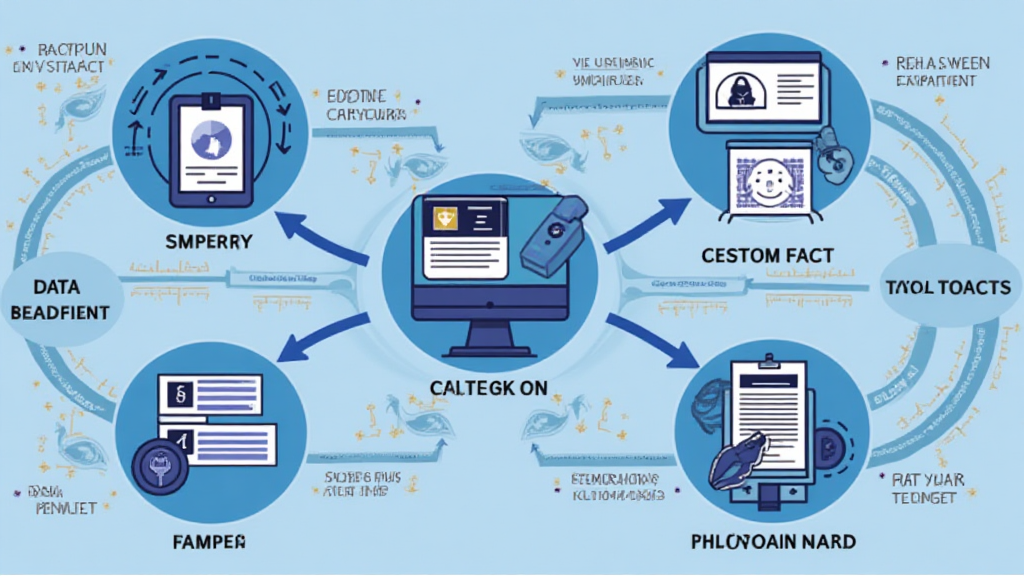
Understanding how oracles operate is essential for anyone interested in blockchain technology. Here’s a breakdown of how they function:
- Data Collection: Oracles gather real-time data from various sources, such as APIs, databases, and IoT devices.
- Data Verification: Before relaying the data to the blockchain, oracles verify its authenticity to ensure accuracy.
- Data Transmission: The validated data is then transmitted to the blockchain network to trigger smart contract actions.
A Case Study: Chainlink
Chainlink is one of the most well-known decentralized oracle networks, empowering smart contracts on various blockchains. Serving as a middleware, Chainlink allows blockchains to interact with off-chain data securely. Recent statistics show that Chainlink has facilitated over $75 billion in transactions, showcasing its pivotal role in the industry.
Challenges Faced by Blockchain Oracles
Despite their importance, blockchain oracles face several challenges:
- Centralization Risks: Many oracles are centralized, which introduces single points of failure.
- Data Reliability: Ensuring the accuracy and timeliness of data from multiple sources can be challenging.
- Security Issues: Oracles may expose smart contracts to security vulnerabilities, making it essential to choose trustworthy oracle services.
The Future of Oracles in Blockchain
As blockchain technology continues to mature, oracles will play a key role in facilitating greater adoption and improving system efficiencies. The integration of tiêu chuẩn an ninh blockchain will become increasingly necessary.
- Increased Demand: As more decentralized applications emerge, the need for reliable oracles will skyrocket.
- Regulatory Compliance: Future regulations may dictate stringent standards for oracle operations, ensuring data privacy and integrity.
- Enhanced Interoperability: The rise of cross-chain platforms will necessitate the use of oracles for seamless data communication.
The Vietnamese Market and Oracles
With the growing interest in cryptocurrencies in Vietnam, where user growth rates are projected to spike by 20% in 2025, the demand for reliable oracles to monitor local market conditions could enhance investment strategies significantly.
Conclusion: The Crucial Role of Oracles in Blockchain
As we look forward to a more interconnected and decentralized future, oracles in blockchain will undoubtedly play an indispensable role. By bridging the gap between off-chain data and on-chain functionalities, oracles contribute to creating a more robust ecosystem for the blockchain community.
By understanding oracles and their significance, stakeholders can make informed decisions that align with emerging trends, such as the emphasis on tiêu chuẩn an ninh blockchain. As developments continue, tools like Chainlink will drive the integration of decentralized technologies, ensuring reliability and security.
In summary, as we navigate this new age of digital assets, cryptopaynetcoin serves as your go-to guide for safe and logical investments in cryptocurrency and blockchain technologies.
Author: Dr. John Smith, a blockchain consultant with over ten years of experience, has authored more than 15 scholarly articles and led audits for well-known blockchain projects.
