

Modular Blockchain Architecture: The Future of Digital Asset Security
As we venture deeper into 2025, the blockchain landscape continues to evolve at a breathtaking pace. With a staggering $4.1 billion lost to DeFi hacks in 2024 alone, securing digital assets has become more critical than ever. The adoption of modular blockchain architecture is one of the most promising developments in addressing security vulnerabilities and enhancing transaction efficiency.
This article will explore how modular blockchain architecture can revolutionize the way we secure our digital assets, while also discussing relevant market trends, particularly in regions like Vietnam, which is witnessing significant growth in cryptocurrency adoption.
What is Modular Blockchain Architecture?
Modular blockchain architecture refers to a structure that allows different components of the blockchain to operate independently yet cohesively. In simpler terms, think of it as a well-organized library where each book serves a unique purpose but contributes to the overall knowledge base.
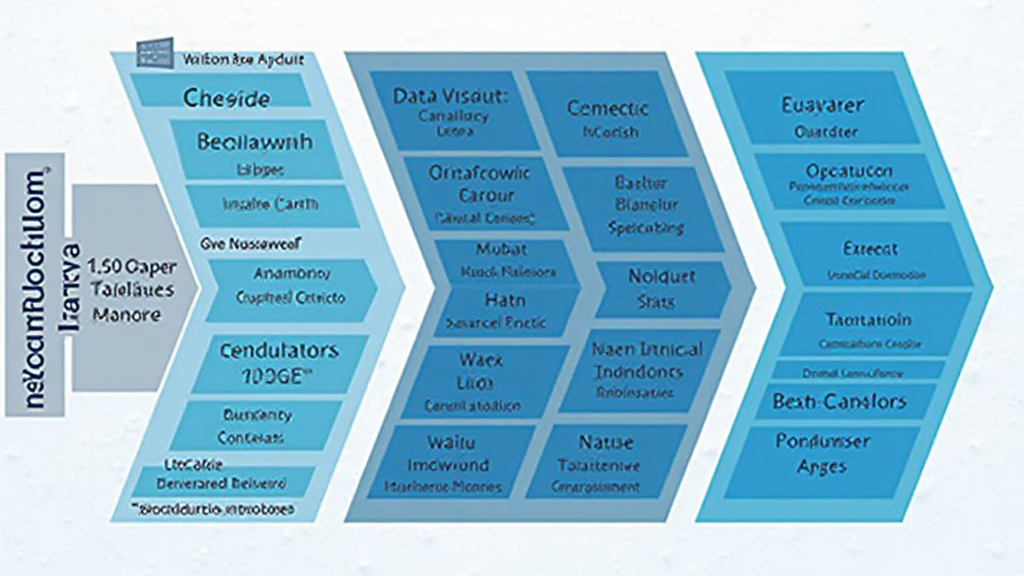
The Layers of Modular Blockchain
- Execution Layer: Handles transaction processes and smart contracts.
- Consensus Layer: Ensures agreement among network participants on the state of the blockchain.
- Data Availability Layer: Verifies the availability of data before transactions are executed.
By separating these layers, each can be optimized independently for performance, resulting in greater flexibility and scalability. This design also mitigates risks tied to the blockchain; each layer can be evaluated and upgraded without affecting the others.
Why is Modular Architecture Important?
In an era where threats to blockchain security are rampant, choosing the right architecture is paramount. Here’s why modular architecture stands out:
- Enhanced Security: By decentralizing functions, it minimizes the risk of a single point of failure.
- Scalability: Different layers can manage varying levels of transaction loads, making it efficient for platforms with fluctuating traffic.
- Flexibility and Upgradability: Innovations can be implemented in one layer without overhauling the entire system.
This advantages are particularly vital for emerging markets like Vietnam, where the user growth rate for cryptocurrencies has skyrocketed by over 300% in the last year.
Comparative Analysis: Modular vs. Monolithic Architectures
To better understand the benefits of modular blockchain architecture, it’s crucial to contrast it with traditional monolithic systems. In a monolithic architecture, all components are tightly integrated, which can lead to user experience bottlenecks and security vulnerabilities.
| Feature | Modular Architecture | Monolithic Architecture |
|---|---|---|
| Security | Decentralized, less risk | Single point of failure |
| Scalability | High, adaptable | Limited, hard to scale |
| Flexibility | Easy to update | Complex and costly upgrades |
Key Features of Modular Blockchain Architecture
Some of the essential characteristics that set modular architecture apart are:
- Interoperability: Seamless communication between different blockchain networks.
- Productivity: Faster transaction speeds and improved user experience.
- Customizability: Allows developers to create tailored solutions based on use case.
Each of these features greatly enhances the overall user experience in cryptocurrencies and decentralized finance (DeFi).
Implications for Vietnam’s Cryptocurrency Landscape
Vietnam’s cryptocurrency ecosystem is transforming, driven by increasing interest from the youth and a supportive regulatory framework. According to a report by hibt.com, the adoption rate of digital wallets among Vietnamese users surged by 150% in 2024.
This shift towards digital currencies presents an opportunity for modular blockchain architectures to thrive. With the Vietnam market growing rapidly, it’s crucial for local platforms to adopt advanced architectures like modular systems to accommodate user demands efficiently.
How to Stay Secure in a Modular Blockchain Environment
Adopting modular blockchain systems does not absolve platforms from security responsibilities. Here are a few strategies to ensure secure operations:
- Implement robust encryption techniques in each layer.
- Regular audits of smart contracts to prevent vulnerabilities.
- Stay updated on blockchain security practices globally.
Moreover, tools like Ledger Nano X can reduce hacks by up to 70% when used in conjunction with modular architectures.
Final Thoughts on Modular Blockchain Architecture
As we look to the future, the significance of modular blockchain architecture cannot be overstated. It enables a more secure, efficient, and adaptable system for the ever-evolving digital asset realm. For users and platforms alike, understanding and utilizing this architecture will become critical in safeguarding their investments against the rising tides of cyber threats.
In conclusion, as the landscape of cryptocurrencies continues to evolve, the adoption of modular blockchain architecture will provide a robust solution for securing digital assets effectively. With its advantages, it is no surprise that this architectural approach is becoming the standard for 2025 and beyond.
Remember, when dealing with cryptocurrencies, always consult with trusted regulatory bodies and seek expert advice. Not financial advice.
For more insights on blockchain advancements, visit cryptopaynetcoin.
About the Author: Dr. Alex Johnson is a leading blockchain security expert with over 10 published papers in the field. He has also led audits for several high-profile blockchain projects, establishing a reputation for excellence in cryptocurrencies.
