

Introduction
In recent years, the crypto landscape has evolved tremendously. Did you know that approximately $4.1 billion was lost to DeFi hacks in 2024 alone? As digital assets flourish, understanding the underlying data has become critical for investors and developers alike. Ethereum analytics provides invaluable insights that can significantly influence investment decisions. In this article, we’ll delve into the essentials of Ethereum analytics, exploring various tools and techniques that contribute to smarter investments.
What is Ethereum Analytics?
Ethereum analytics refers to the method of analyzing data on the Ethereum blockchain. It encompasses various metrics, such as transaction volume, gas fees, and token movements, to assist analysts in making informed decisions. By understanding Ethereum analytics, investors can uncover trends, assess risks, and identify potential opportunities.
The Importance of Analyzing Blockchain Data
- **Investment Insights**: Investors can evaluate the market’s performance by analyzing transaction patterns.
- **Risk Management**: Understanding the activities on the blockchain can help investors minimize risks associated with their investments.
- **Market Trends**: Staying updated on transaction volume and gas fees allows investors to recognize market trends in real time.
Key Metrics in Ethereum Analytics
When diving into Ethereum analytics, several key metrics should be at the forefront:
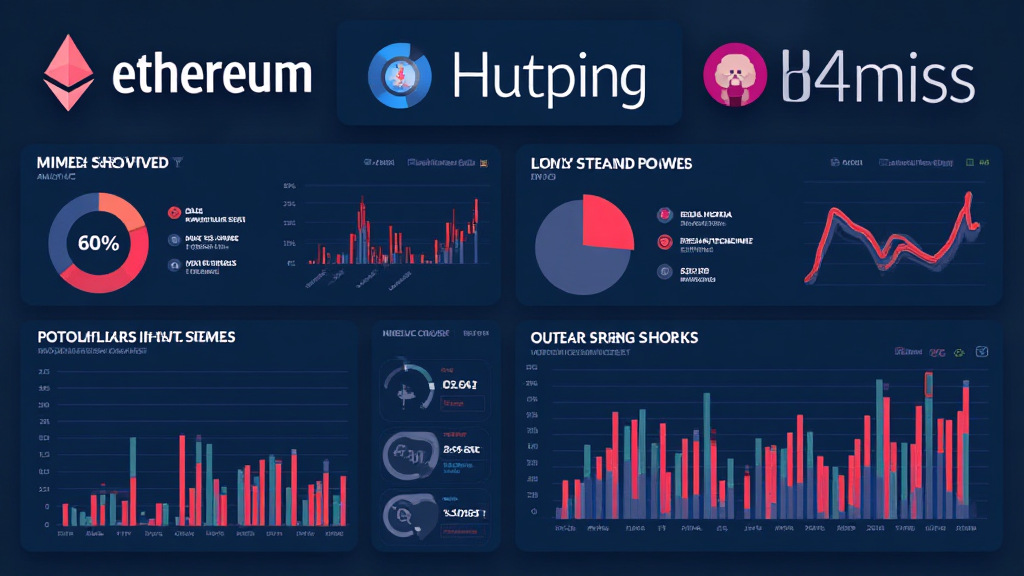
- **Transaction Volume**: The number of transactions taking place can indicate market activity and interest.
- **Gas Fees**: These fees fluctuate based on network congestion and can impact the profitability of transactions.
- **Token Movements**: Following token transfers can uncover significant trading or holding patterns among key players.
Tools for Ethereum Analytics
To effectively harness Ethereum analytics, various tools come into play. Here are some popular platforms:
- **Etherscan**: A blockchain explorer that facilitates tracking transaction details, wallet balances, and smart contract interactions.
- **Dune Analytics**: This platform allows users to create custom dashboards and queries to visualize blockchain data.
- **Nansen**: Combining wallet labeling and on-chain data, Nansen analyzes market trends and investor behaviors.
- **Glassnode**: A data provider that focuses on on-chain metrics and delivers insights into network activity.
Decoding Ethereum Transactions
Understanding the workflow of Ethereum transactions is fundamental for effective analysis. Every transaction comprises:
- **Nonce**: A unique identifier for each transaction from a specific account.
- **Gas Limit**: The maximum amount the sender is willing to spend on transaction fees.
- **Gas Price**: The price per unit of gas, which fluctuates based on network activity.
- **Recipient Address**: The Ethereum address where tokens are being sent.
- **Data**: Any additional data included, especially for smart contracts.
Applying Ethereum Analytics for Smart Investing
To leverage Ethereum analytics successfully, consider these strategies:
- **Diversification**: By analyzing various tokens, you can diversify your portfolio to mitigate risks and capture opportunities.
- **Trend Analysis**: Identify historical trends in transaction volumes and gas fees to inform future investment choices.
- **Smart Contract Auditing**: Use analytics to ensure the contracts you interact with are secure and have no outstanding vulnerabilities.
Utilizing Historical Data
Historical data can provide a wealth of insights. By observing trends related to Ethereum‘s performance over time, investors can make decisions backed by empirical evidence rather than speculation.
Real-world Applications of Ethereum Analytics
Countries like Vietnam have seen significant growth in crypto adoption, with an uptick of 40% in users over the last year, emphasizing the need for Ethereum analytics to optimize local investment strategies. Tools like those mentioned earlier empower investors to:
- Monitor the rapidly evolving Vietnamese crypto market.
- Identify local projects that show promise based on on-chain data analysis.
Ethical Considerations in Ethereum Analytics
As with any data analysis, ethical considerations come into play. Transparency and responsible usage of analyzed data are crucial to maintain trust within the crypto community. Ensure that:
- Your analyses comply with data protection regulations.
- You respect the privacy of individual users and wallets.
Conclusion
As we move toward 2025, the integration of Ethereum analytics into investment strategies will become indispensable. By leveraging data-driven insights, investors can make smarter decisions, safeguard their assets, and tap into the ever-evolving crypto ecosystem. Always remember that the crypto world is rapidly changing, so keeping up with Ethereum analytics is key to making informed and strategic investment choices.
Ready to explore Ethereum analytics? Empower your investment journey with cryptopaynetcoin today!
Author: Dr. Alex Thompson, a renowned blockchain analyst with over 15 published papers and has led audits on various high-profile projects across the Ethereum network.