
DePin Use Cases: Revolutionizing the Crypto Landscape
With the rapid development of blockchain technology and the exponential rise of decentralized networks, the concept of Decentralized Physical Infrastructure Networks (DePin) is gaining traction. In 2024, the total value locked in DeFi platforms was over $80 billion, highlighting a growing interest in innovative decentralized solutions. This article delves into various DePin use cases that are reshaping the future of cryptocurrency and digital assets.
Understanding DePin
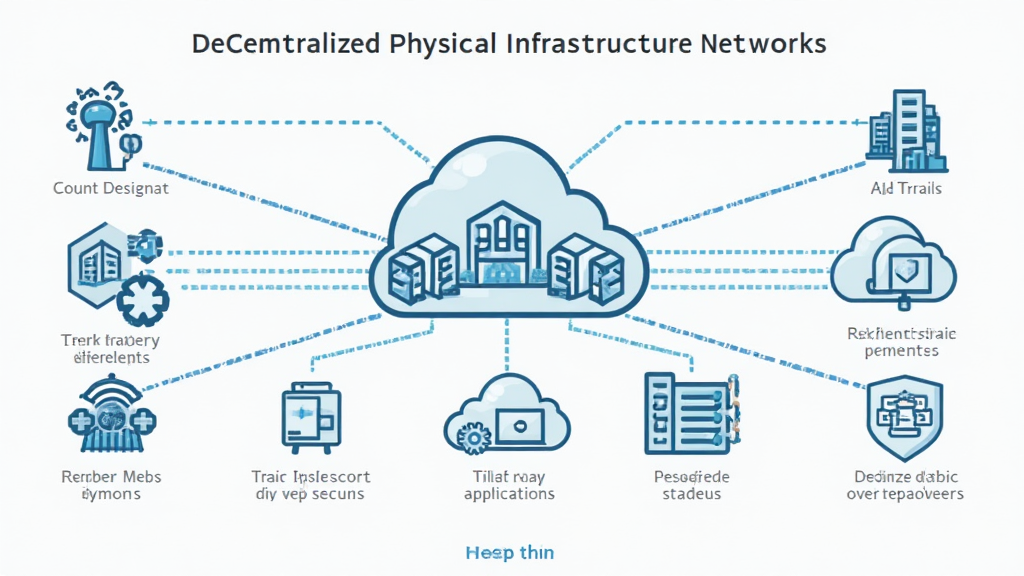
DePin represents a paradigm shift in how physical infrastructures are managed and operated through blockchain technology. It aims to decentralize the ownership and operation of physical assets, enabling participants to collectively manage and profit from these infrastructures.
How DePin Works
- Blockchain Integration: DePin utilizes blockchain to create transparent and tamper-proof records of ownership and transactions.
- Tokenization: Physical assets are tokenized, allowing fractional ownership and democratizing access.
- Consensus Mechanisms: Decisions regarding asset management are made through community consensus, ensuring democratic governance.
DePin Use Cases
Decentralized Energy Grids
One prominent use case of DePin is the development of decentralized energy grids. Participants can invest in localized energy solutions, such as solar power installations.
- Participants receive token rewards for contributing energy to the grid.
- Transparency in energy consumption and distribution through blockchain.
- Empowerment of local communities to control their energy resources.
Real Estate Tokenization
Real estate is another area ripe for DePin applications. By tokenizing real estate properties, several advantages emerge:
- Fractional Ownership: Individuals can invest in properties with lower capital requirements.
- Diverse Investment Portfolios: Easier access to varied property types.
Supply Chain Management
DePin can revolutionize supply chain management by ensuring every step in the supply chain is traceable and tamper-proof.
- Enhanced transparency leads to higher consumer trust.
- Ability to reduce fraud through real-time tracking of products.
Decentralized Transport Networks
Imagine a decentralized transportation network where users can share their vehicles for profit. DePin supports this vision by:
- Enabling users to earn tokens for providing transportation services.
- Improving resource utilization while reducing environmental impact.
Healthcare Data Management
Healthcare can benefit from DePin strategies by allowing patients to control their data. Key points include:
- Empower patients with data ownership.
- Enable secure sharing for personalized medicine.
The Role of Vietnam in DePin Growth
Vietnam has witnessed a remarkable increase in crypto adoption, with the number of Vietnamese cryptocurrency users expected to grow by 150% by 2025. This burgeoning market provides fertile ground for DePin implementations, especially in real estate and energy sectors.
Future Prospects of DePin
As DePin continues to evolve, several future trends are expected to emerge:
- Increased User Adoption: The growing interest in cryptocurrencies and blockchain technology will boost DePin’s relevance.
- Regulatory Developments: Effective regulations are crucial for the sustainable growth of DePin.
In conclusion, the outlined DePin use cases illustrate the transformative potential of decentralized infrastructure in various sectors, from energy to healthcare. As the landscape evolves, platforms like cryptopaynetcoin will play a vital role in bridging the gap between traditional systems and the decentralized future.
Author: Dr. Lê Văn An, an expert in blockchain technology, has published over 20 papers on decentralized systems and has led various smart contract audits for renowned projects.