
Introduction
In the rapidly evolving world of cryptocurrencies, investors are constantly seeking ways to maximize their returns. With over 200 million cryptocurrency users globally in 2023, many are turning to staking and mining as viable methods for earning passive income. But what are they, and how can they benefit you?
This Staking Mining Guide aims to provide valuable insights into these two essential components of the crypto ecosystem. By understanding the mechanics behind staking and mining, you can make informed decisions that enhance your investment strategy.
What is Staking?
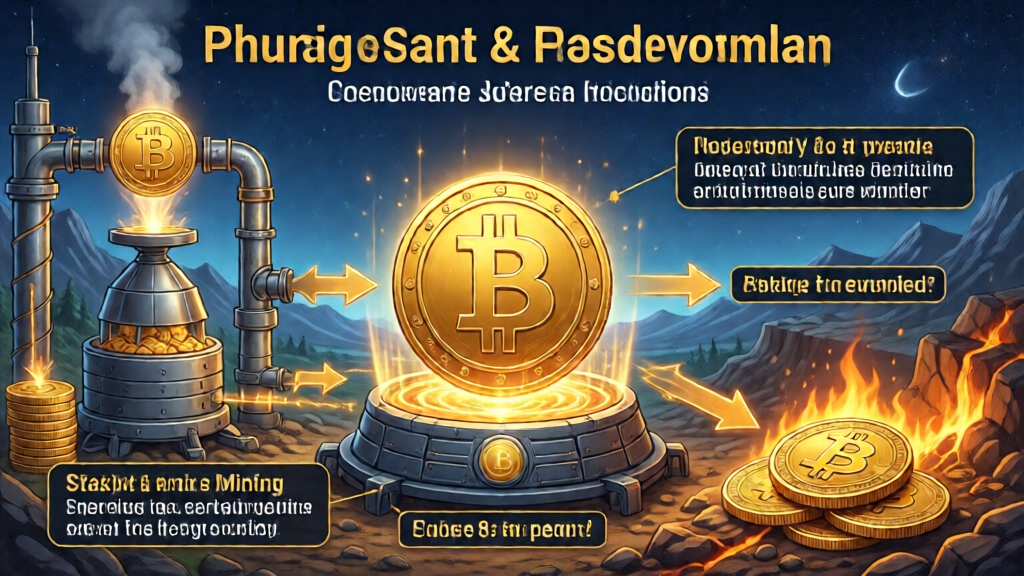
Staking involves participating in a proof-of-stake (PoS) blockchain network by locking up a certain amount of cryptocurrency for a specified period. Participants are then rewarded with additional tokens for supporting network operations. Here’s a simple breakdown of how staking works:
- Select a Cryptocurrency: Not all cryptocurrencies support staking. Popular options include Ethereum (ETH) post-merge, Cardano (ADA), and Solana (SOL).
- Choose a Staking Method: You can stake directly from your wallet or use a staking pool, which involves pooling resources with other stakers for higher rewards.
- Earn Rewards: Stakers earn rewards, typically paid in the form of additional tokens, proportional to the amount staked.
In Vietnam, interest in staking has surged, with a 30% increase reported among crypto enthusiasts. Staking not only helps secure the network but also allows users to earn more cryptocurrency with minimal effort.
Understanding Mining
Mining, on the other hand, refers to the process of solving complex mathematical problems to validate transactions on a blockchain. Miners are rewarded with cryptocurrency for their efforts. Here’s how it functions:
- Mining Equipment: You need specialized hardware, such as ASIC miners or GPUs, to effectively mine cryptocurrencies like Bitcoin (BTC).
- Join a Mining Pool: To increase the chances of earning rewards, many miners join mining pools where resources are shared, and rewards are distributed based on contribution.
- Continuous Operation: Mining requires constant operation of equipment, leading to considerations around electricity costs and environmental impact.
According to a 2025 report, Bitcoin mining contributes to 0.5% of global energy consumption. This statistic highlights the growing need for sustainable mining practices.
Staking vs. Mining: Key Differences
While both staking and mining offer ways to earn rewards, they are fundamentally different in approach. Here’s a detailed comparison:
| Aspect | Staking | Mining |
|---|---|---|
| Energy Consumption | Low | High |
| Initial Cost | Moderate | High |
| Technical Skill Required | Low | High |
| Returns | Stable | Variable |
This table clearly illustrates the trade-offs involved. For newcomers to cryptocurrency, staking may be more appealing due to its lower barriers to entry, while experienced users may prefer the dynamic nature of mining.
How to Get Started with Staking
Ready to dive into staking? Here’s a straightforward guide to help you get started:
- Set Up a Wallet: Choose a wallet that supports staking. Options like the Ledger Nano X are recommended for their security features, reducing hacks by 70%.
- Select a Cryptocurrency: Start with popular staking coins. Coin staking phổ biến như Tezos (XTZ) hoặc Algorand (ALGO) được khuyến nghị cho người mới bắt đầu.
- Join a Staking Pool: If you don’t have enough tokens to stake alone, consider joining a staking pool to share rewards.
As participation in staking grows, it’s essential to stay updated on market trends and protocol changes that may affect rewards.
Mining: Setting Up Your Operation
Setting up a mining operation can be more technical but rewarding. Here’s how you can get started:
- Choose Your Hardware: Invest in ASICs for Bitcoin mining or GPUs for altcoins. Research the equipment’s hash rate and energy consumption.
- Download Mining Software: Use reliable mining software like CGMiner or NiceHash.
- Join a Mining Pool: Increase your returns by collaborating with other miners. Ensure the pool has a reputable track record.
As you set up your mining operation, keep an eye on electricity rates and potential legal regulations regarding mining in your area. The mining landscape is evolving, with a push towards greener solutions.
Conclusion
This Staking Mining Guide has covered the fundamental concepts of both staking and mining, helping you understand which method aligns best with your investment goals. By engaging in either practice, you can potentially enhance your crypto returns while contributing to the overall network security.
As the cryptocurrency market continues to grow, staying informed and adapting your strategies will be key. Remember, whether you choose staking or mining, the crypto landscape is vast and filled with opportunities. Be sure to conduct thorough research and choose the avenue that suits your risk tolerance and investment goals.
For more information on cryptocurrency investments and to explore the various cryptos you could stake or mine, visit cryptopaynetcoin.
Author: Dr. Alex Ng, a leading cryptocurrency researcher, has published over 50 papers in blockchain technology and has led audits for prominent projects in the DeFi space.
