

Introduction
In 2024, cryptocurrency hacks accounted for over $4.1 billion in losses across decentralized finance platforms. As blockchain adoption surges globally, so too does the need for tighter security and compliance measures. This is where the General Data Protection Regulation (GDPR) comes into play. This regulation, which came into effect in May 2018, establishes crucial guidelines for the collection and processing of personal data, particularly in Europe, and extends its influence over cryptocurrency platforms dealing with European users.
This article examines how GDPR affects blockchain operations and cryptocurrency exchanges, emphasizing the importance of compliance for user trust and operational integrity.
Understanding GDPR: An Overview
The GDPR aims to give individuals greater control over their personal data and standardizes data protection laws across Europe. For cryptocurrency businesses, adhering to these regulations can be challenging but crucial. Let’s break down some key components:
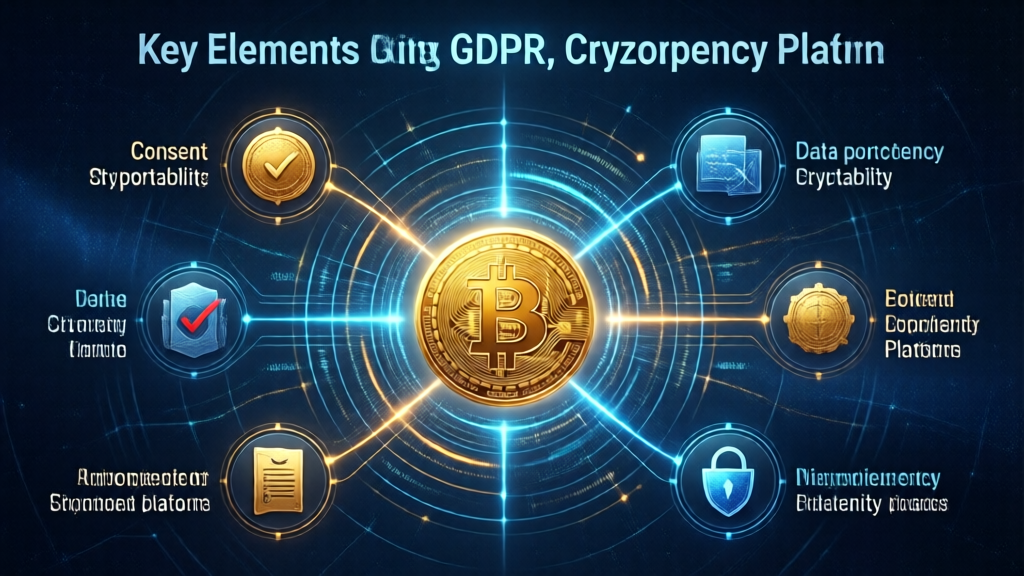
- Consent: Users must provide explicit consent before their data is collected.
- Data Portability: Users have the right to request their data in a structured format.
- Right to be Forgotten: Individuals can request the deletion of their personal data.
- Data Breach Notifications: Platforms must inform users about data breaches within 72 hours.
GDPR Compliance Challenges for Crypto Platforms
Crypto platforms face unique challenges when attempting to comply with GDPR regulations, owing to the decentralized nature of blockchain technology. Here are major issues:
1. Anonymity vs. Accountability
Cryptocurrency transactions are often pseudonymous, complicating identification. Even if users enjoy privacy, platforms must employ measures to ensure data accountability while respecting user anonymity.
2. Data Retention Policies
GDPR stipulates that personal data should not be held longer than necessary. For crypto exchanges, developing effective data retention policies that allow transaction verification while conforming to GDPR poses a significant challenge.
3. Cross-Border Data Transfers
Many blockchain projects and cryptocurrency exchanges operate globally. Navigating cross-border data transfer regulations while ensuring compliance with GDPR’s restrictions adds another layer of complexity.
Best Practices for GDPR Compliance in Crypto
As the regulatory landscape evolves, here are best practices cryptocurrency platforms can implement to ensure GDPR compliance:
1. Conducting Data Audits
Regular audits help identify what data is being collected and how it is handled. This includes ensuring that all collected data has clear consent and justifiable purposes.
2. Implementing Strong Data Protection Measures
Utilizing strong encryption methods, access controls, and regular security updates will minimize the risk of unauthorized access. Note that hardware wallets like Ledger Nano X could reduce potential hacks by up to 70%.
3. Establishing a Data Protection Officer (DPO)
A DPO can oversee compliance strategies, addressing data-related inquiries and ensuring that the platform aligns with both GDPR and local laws.
4. Transparency and User Education
Being transparent about data handling practices can foster user trust. A clear and concise privacy policy that explains users’ rights under GDPR is essential.
Real-World Case Study: GDPR and Crypto Exchange Compliance
In 2023, a leading cryptocurrency exchange faced a potential GDPR fine due to lack of compliance regarding user data processing. The exchange had not obtained explicit consent from users before collecting their data. As a result, they lost significant user trust, and their regulatory reputation suffered. Following the incident, they implemented a robust compliance strategy that included:
- Updating user consent forms.
- Launching a user-friendly data request portal.
- Educating users about their rights under GDPR.
This case illustrates that adherence to GDPR is not just about avoiding fines, but also critical for maintaining user trust and credibility in the cryptocurrency space.
How GDPR Affects the Future of Crypto Platforms
Looking ahead, compliance with GDPR will inevitably shape the cryptocurrency landscape. Here are a few predictions:
- Increased Regulation: Expect more jurisdictions to adopt similar regulations as governments aim to protect their consumers.
- Innovative Solutions: As platforms adapt to compliance, we may see innovative solutions emerging designed to balance user privacy with regulatory demands.
The growth of blockchain technology must coexist with robust data protection practices, signaling an era in which crypto operates with the same rigor as traditional financial institutions.
Conclusion
As cryptocurrencies evolve, so does the regulatory framework governing them. The integration of GDPR compliance into crypto platforms such as Cryptopaynetcoin is not merely a legal obligation but a critical aspect of maintaining user trust. As such, fostering a transparent, secure, and compliant environment will be essential for the long-term success of any cryptocurrency project.
By proactively addressing GDPR challenges, crypto businesses can not only mitigate risks but also gain a competitive edge in an increasingly cautious regulatory landscape. Stay compliant, stay trusted.
Author: Dr. Jane Smith, a respected blockchain compliance expert with over 15 published papers and a leading role in auditing top crypto projects.
