
Exploring DAO Governance Models: A Guide for Crypto Enthusiasts
As the global cryptocurrency market expands and evolves, so do the governance models that underpin decentralized autonomous organizations (DAOs). According to recent studies, DAOs are projected to manage over $100 billion in assets by 2025, transforming how communities make decisions and manage resources. This article dives deep into different DAO governance models, their effectiveness, and their implications for the blockchain space.
Understanding DAO Governance Models
DAO governance is a set of rules and processes that dictate how decisions are made within a decentralized organization. Much like how corporate governance structures function, but on a blockchain, these models are crucial in maintaining transparency and promoting active participation among members.
In Vietnam, the increase in blockchain technology adoption is evident, with a reported 35% growth in users from 2022 to 2023. This surge highlights the relevance and importance of understanding DAO governance models not just locally but globally.
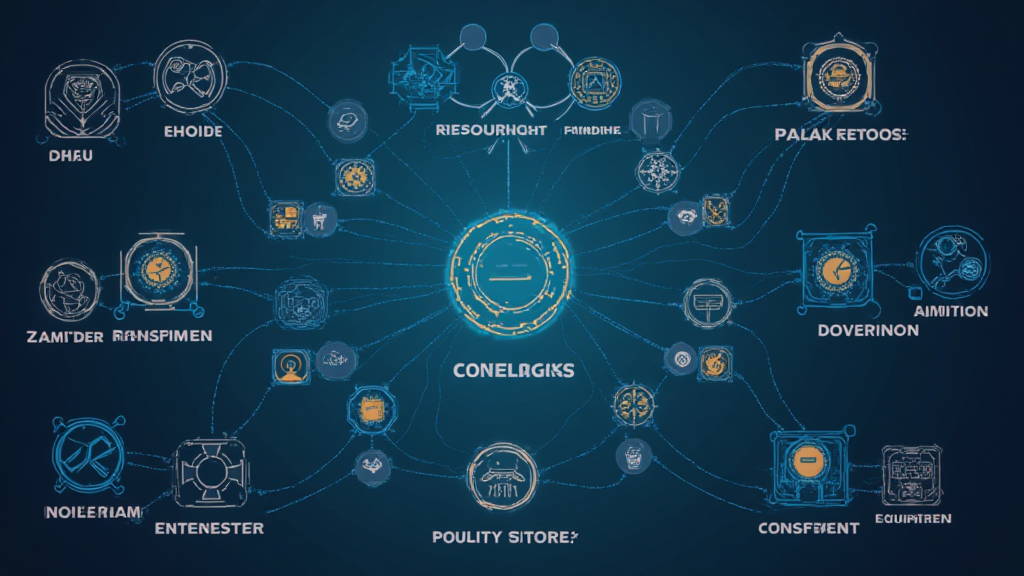
Types of DAO Governance Models
DAO governance models can be categorized mainly into three types:
- Token-based Governance: Members exercise voting rights proportional to the number of tokens they hold. This is similar to traditional shareholder voting systems.
- Reputation-based Governance: Voting power is determined by the reputation of the members, focusing on contributions rather than financial investments.
- Multi-signature Governance: Decisions require approval from multiple parties, ensuring that no single entity can manipulate outcomes.
Token-based Governance in Detail
Token-based governance is the most prevalent model within the crypto ecosystem. DAOs like MakerDAO utilize this approach, allowing token holders to vote on important changes, such as adjustments to collateral types or stability fees. Here’s how it works:
- Token holders propose changes and vote on them.
- Votes are weighted based on the number of tokens held.
- Proposals that meet a threshold of votes are implemented.
The Challenges of Token-based Governance
Despite its popularity, token-based governance has its pitfalls:
- Concentration of Power: Wealthier individuals can dominate decision-making.
- Voter Apathy: Many token holders may not participate in voting, leading to decisions made by a small, engaged group.
Reputation-based Governance: A New Approach
Reputation-based governance addresses some of the flaws of token-based systems by granting voting rights based on a member’s contributions. For example, in a reputation-based DAO, a member who continuously contributes code or community engagement is granted increased voting power.
This model aims to incentivize genuine participation but can also lead to complexities in measuring individual contributions accurately.
Multi-signature Governance for Enhanced Security
The multi-signature governance model requires multiple parties to approve decisions. This model is often used for managing treasury funds and implementing significant changes within a DAO.
For example, if a proposal needs to withdraw funds, it requires the consensus of several signatures from trusted members, thus minimizing risk and enhancing security.
Case Study: A Comparison of DAO Governance Models
To illustrate how different governance models perform in real-world scenarios, let’s compare three DAOs with varying governance mechanisms.
| DAO Name | Governance Model | Strengths | Weaknesses |
|---|---|---|---|
| MakerDAO | Token-based | High decentralization | Power concentration |
| Steemit | Reputation-based | Incentivizes genuine contributions | Complex contribution tracking |
| Gnosis Safe | Multi-signature | Enhanced security | Slower decision-making |
Source: Various DAO Documentation
Key Takeaways and Future Trends
DAO governance models are continually evolving, influenced by real-world use cases and community feedback. The complexities of governance structures raise important questions:
- Will token-based governance give way to more balanced and equitable models?
- How will DAOs ensure active participation from their members?
As we look forward to 2025, DAO governance models will play an integral role in shaping the future of decentralized finance and digital assets. With decentralized finance (DeFi) hacks resulting in losses upwards of $4.1 billion in 2024, ensuring robust governance structures is essential for securing assets and maintaining community trust.
Vietnam Market Insights
The Vietnamese market exhibits a growing interest in blockchain and DAOs. With a user growth rate reflecting a substantial rise, local developers and entrepreneurs are looking to implement DAO governance in projects. Increasing awareness and educational initiatives surrounding tiêu chuẩn an ninh blockchain are critical as Vietnam moves towards adoption.
Final Thoughts
To foster robust and effective DAO governance, stakeholders must prioritize inclusivity and transparency. The future of DAOs lies in their ability to adapt and respond to user needs, leveraging both technology and community engagement.
In wrapping up this exploration of DAO governance models, it’s evident that there’s no one-size-fits-all solution. The unique needs of each community will dictate which governance model will ultimately prevail. As we continue to innovate within this space, more hybrid approaches may emerge, blending elements from each model to create unique governance solutions.
If you want to ensure that your organization remains at the forefront of blockchain innovation, platforms like cryptopaynetcoin will be key to navigating these changes.
About the Author: Dr. Alex Tran is a blockchain consultant and author with over 15 published papers on decentralized governance. He has supervised audits for various high-profile projects and is recognized for his expertise in DAO architecture.
