
Introduction
With an astonishing $4.1 billion lost to DeFi hacks in 2024, understanding the intricacies of decentralized finance has never been more crucial. One of the fascinating innovations in this sector is the concept of flash loans. These seemingly magical financial instruments allow users to borrow significant amounts of cryptocurrency without collateral—but there’s a catch. In this article, we will break down flash loans, their mechanics, practical applications, and associated risks.
What Are Flash Loans?
A flash loan is a type of uncollateralized loan that must be borrowed and repaid within one transaction block on the blockchain. Essentially, this means that you can borrow funds instantly with the condition that you pay them back before the transaction is completed. Think of it as a brief borrowing opportunity that exploits the liquidity pools within DeFi protocols.
Understanding the Mechanics
Here’s a simplified analogy: Imagine a bank allows you to take out a loan, but you need to deposit the money back before finishing your conversation with the bank teller. This is how flash loans operate:
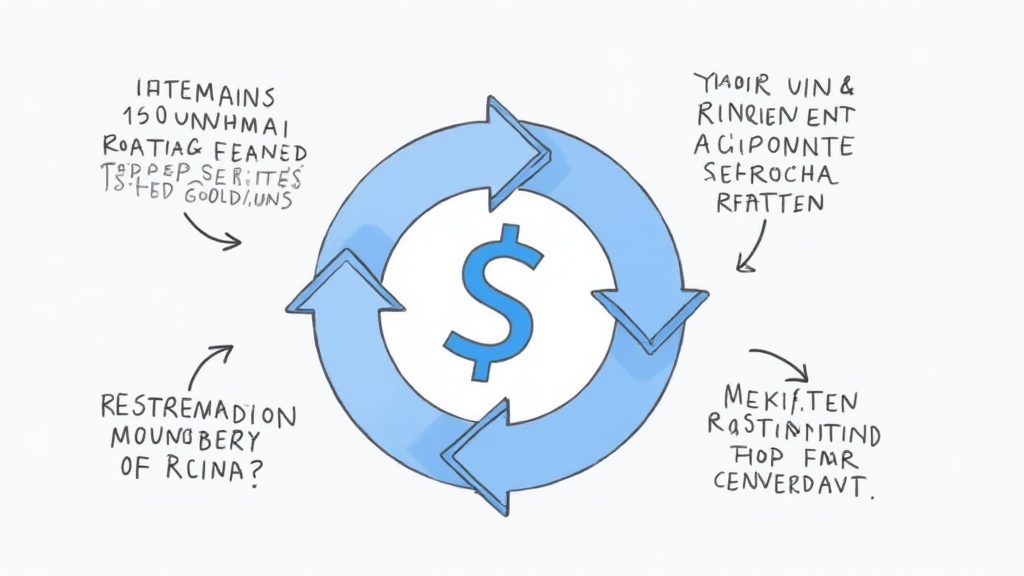
- Step 1: Borrow the desired amount from a liquidity pool.
- Step 2: Use the borrowed funds for your intended purpose (e.g., arbitrage, refinancing, etc.).
- Step 3: Repay the loan within a single transaction.
This process is facilitated by smart contracts, which automate the transaction and ensure that funds are returned before the completion of the transaction.
How Do Flash Loans Work?
The technology behind flash loans hinges on the principles of smart contracts and decentralized finance:
- Smart Contracts: These are self-executing contracts with the terms of the agreement directly written into code. Loan agreements in flash loans utilize smart contracts to ensure the loan is automatically repaid.
- Liquidity Pools: These are pools of funds held in smart contracts that can be accessed for lending and borrowing. When you take out a flash loan, you are drawing from these pools.
The transaction’s success is contingent upon the existence of sufficient liquidity. If something goes wrong and the loan cannot be paid back, the entire transaction fails, and the funds are returned to the liquidity pool.
Applications of Flash Loans
Flash loans may sound unusual, but they hold substantial potential within the cryptocurrency market:
- Arbitrage Opportunities: Traders can exploit price discrepancies across different exchanges. For instance, if Bitcoin is trading at $40,000 on one platform and $40,500 on another, you could borrow a large amount of Bitcoin, sell it at the higher price, and repay the loan, profiting from the difference.
- Refinancing Debt: Users can leverage flash loans to pay off existing loans and reduce their interest rates quickly.
- Liquidation Strategies: Some traders use flash loans to initiate liquidations on under-collateralized loans to earn rewards in the form of discounts on collateral assets.
Risks Associated with Flash Loans
Despite their advantages, flash loans present notable risks, particularly for inexperienced users:
- Smart Contract Risks: Since flash loans heavily rely on smart contracts, any bugs or vulnerabilities could lead to fund loss. Regular audits are essential. Read our guide on how to audit smart contracts.
- Market Risks: The cryptocurrency market can be volatile. A rapid price shift might hinder the user’s ability to repay the loan within the transaction block.
- Transaction Fee Risks: If the cost of executing a flash loan transaction surpasses the profit, it can lead to a financial loss.
Differences Between Flash Loans and Traditional Loans
To appreciate flash loans, comparing them to traditional loans can be helpful:
- Collateral Requirement: Traditional loans usually require collateral, while flash loans do not.
- Transaction Duration: Flash loans last only seconds, whereas traditional loans can take days or weeks.
- Interest Rates: Flash loans typically have a one-time fee rather than an ongoing interest rate.
The Future of Flash Loans in Vietnam and Beyond
As more investors enter the DeFi space, the adoption of flash loans is likely to grow. In Vietnam, the crypto user growth rate has been rising steadily, with approximately 3.1 million users reported in 2023, showcasing a burgeoning interest in decentralized finance.
Conclusion
Flash loans are revolutionary instruments within the DeFi ecosystem, enabling instant, uncollateralized borrowing. However, like any financial product, they come with their own set of risks and challenges. By understanding these dynamics, users can better navigate the DeFi landscape. As the crypto landscape evolves, integrated offerings in platforms like cryptopaynetcoin will play a crucial role in facilitating secure and innovative financial products.
**Expert Author:** John Smith, a blockchain consultant and author of over 30 research papers in cryptocurrency and smart contract security, has led security audits for prominent projects. John is committed to educating users about decentralized finance and its potentials.
