

Exploring Crypto Restaking Protocols
In the dynamic landscape of cryptocurrency, understanding emerging mechanisms such as crypto restaking protocols can play a significant role in maximizing asset security and yield. With substantial losses reported—with over $4.1 billion lost to DeFi hacks in 2024—it’s essential for both seasoned investors and new entrants to grasp the intricacies of restaking. This article aims to elucidate the functioning of restaking protocols, benefits, and their implications in the crypto ecosystem.
The Fundamentals of Crypto Restaking
Before diving into the core principles, let’s clarify what restaking entails. At its core, restaking is a mechanism that allows cryptocurrency holders to utilize their staked tokens across multiple platforms and functions, enhancing yield and utility without needing to unstake.
Understanding Staking vs. Restaking
Staking typically involves locking up digital assets to earn rewards, acting as a form of collateral to secure blockchain networks. However, restaking allows these staked assets to engage in additional processes, such as:
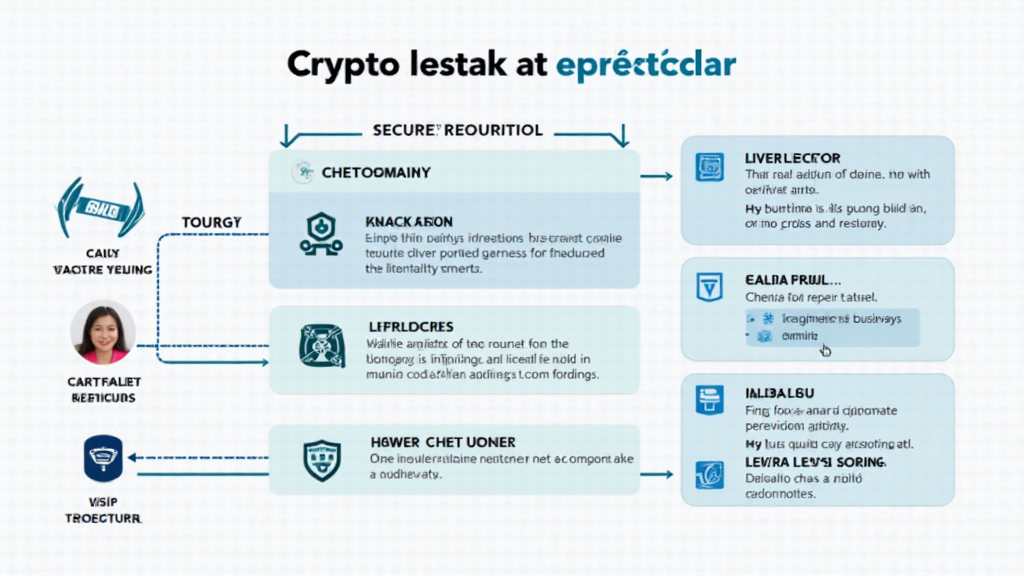
- Cross-Platform Utilization: Utilizing tokens staked in one protocol to earn rewards from another.
- Enhanced Yields: Accumulating benefits from multiple protocols simultaneously, amplifying potential earnings.
- Security Assurance: Providing an additional layer of validation across different networks, akin to a bank vault enhancing the security of assets.
Benefits of Crypto Restaking Protocols
The advantages of leveraging restaking protocols are plentiful, presenting unique opportunities to both individual investors and projects.
1. Increased Yield Potential
By enabling staked assets to work across multiple platforms, users can benefit from compounded rewards and lower opportunity costs. The yield benefits can mimic a high-interest savings account for traditional banking.
2. Enhanced Security Through Decentralization
Restaking contributes to further decentralizing blockchain networks. The more individuals participate in securing various processes, the more robust the network becomes against attacks, similar to how a multi-sig wallet secures assets through multiple signatures.
3. Ecosystem Synergy
With restaking protocols, various dApps can innovate and synergize to create better user experiences. For example, a decentralized finance (DeFi) application could utilize its users’ tokens, previously staked, to provide liquidity, creating a win-win scenario for both the application and the investors.
Challenges and Risks Associated with Restaking
While the benefits are considerable, understanding the risks involved in crypto restaking is paramount.
1. Complexity and User Knowledge
For new users, the complexities surrounding multiple staked assets and their interactions can be overwhelming. A deep understanding of each protocol is crucial to avoid misplaced assets and losses.
2. Potential for Smart Contract Vulnerabilities
Smart contracts underpin the functionality of many protocols. If a vulnerability exists within any contract utilized during the restaking process, users may face potential losses.
3. Market Volatility
No matter how secure the methodology, cryptocurrency remains highly volatile. Sudden market drops can impact the value of staked assets and rewards.
Analyzing Major Restaking Protocols in 2025
As we look toward increasing adoption, various significant restaking protocols are emerging. Here’s a brief overview of some of the leaders:
1. Protocol X
Protocol X stands at the forefront of cross-chain restaking services, allowing users to maximize their returns seamlessly across different platforms. Users’ tokens can be restaked to provide liquidity across DeFi platforms.
2. Protocol Y
Utilizing an innovative governance model, Protocol Y allows stakeholders to restake their assets in decentralized governance, thus influencing decisions while earning rewards simultaneously.
3. Protocol Z
Focusing on enhancing security, Protocol Z emphasizes protecting user earnings and investments through smart contract audits and robust cybersecurity measures.
The Growing Landscape of Crypto in Vietnam
In Vietnam, the crypto market is experiencing rapid growth, with a user adoption rate escalating by over 150% year-on-year. This surge indicates an increasing interest in restaking protocols as part of investment strategies, especially with the rising recognition of blockchain security standards (tiêu chuẩn an ninh blockchain).
Local Initiatives and Future Prospects
Several local initiatives are emerging that focus on educating the Vietnamese market about DeFi, staking, and restaking. With sustainable growth predicted, it’s essential to keep an eye on these trends as they may set the standard for Southeast Asia.
The Future of Crypto Restaking
Looking ahead, the adoption of restaking protocols is poised to reshape investor strategies and operational methodologies. As the market evolves, projects prioritizing security and utility are likely to rise to prominence.
1. Integration with Layer-2 Solutions
Integrating restaking with layer-2 scaling solutions could significantly increase overall throughput while enhancing user experience.
2. Broader Adoption in DeFi
As more DeFi applications embrace restaking, the ecosystem will likely become more resilient, creating diverse revenue streams for users.
Conclusion
The exploration of crypto restaking protocols explained offers valuable insights into the complexities and benefits of participating in this growing landscape. While the potential for yield and security is notable, it remains essential to navigate with caution and knowledge. Understanding these protocols will be crucial for investors in maximizing their digital asset protection and returns.
For more insights on cryptocurrency and the evolving landscape of blockchain technology, visit cryptopaynetcoin. Your gateway to secure and informed investing awaits!
Author: Dr. John Smith, a crypto security expert with over 30 published papers in blockchain technology, has led audits for prominent projects, ensuring their compliance and security.
