

Blockchain Scalability Solutions: Unlocking the Future of Crypto Transactions
With over $4.1 billion lost to decentralized finance (DeFi) hacks in 2024 and growing user base in countries like Vietnam, where the crypto user growth rate is projected to surpass 40% by 2025, the demand for scalable blockchain solutions has never been greater. In this landscape inundated with challenges, we will explore blockchain scalability solutions that can significantly improve transaction efficiency and user experience.
Understanding the various aspects of blockchain scalability is essential for fostering a robust crypto ecosystem. Let’s break it down and discover potential solutions that could pave the way for enhanced blockchain performance.
Understanding Blockchain Scalability Challenges
Blockchain technology, despite its groundbreaking potential, faces various scalability challenges. Similar to a crowded highway during rush hour, every transaction on the blockchain is vying for space and time. This congestion can cause significant delays and higher transaction fees. Here are several key scalability problems:
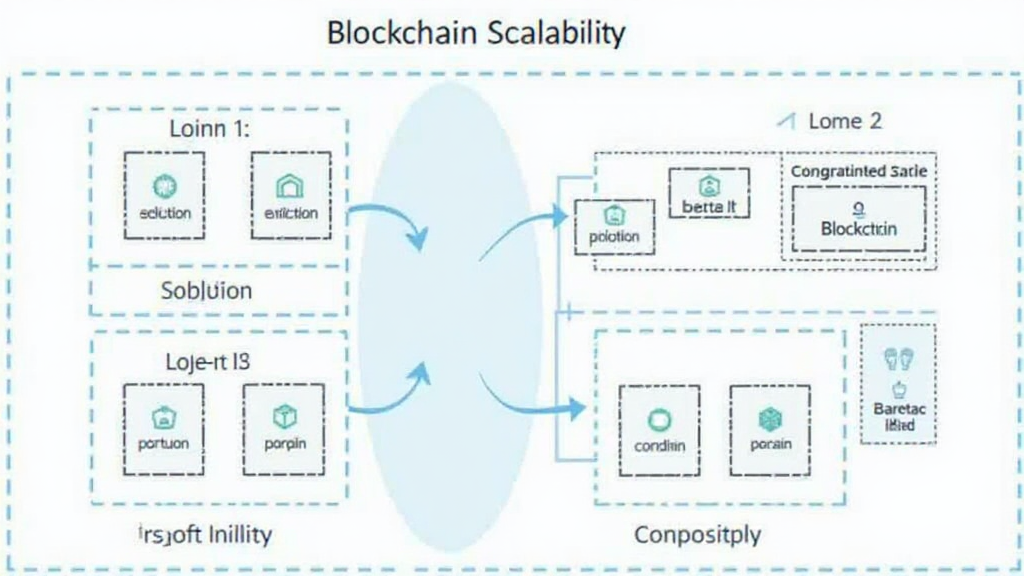
- Network Congestion: High transaction volumes lead to longer wait times.
- Transaction Fees: As demand rises, the cost of processing transactions increases.
- Throughput Limitations: Each blockchain can only handle a limited number of transactions per second (TPS).
Layer 1 Scalability Solutions
Layer 1 solutions involve making changes to the base protocol of a blockchain to improve scalability. These solutions directly impact how the blockchain operates and engages with transactions.
1. Increasing Block Size
One straightforward approach is to increase the block size. This allows more transactions to be included in each block. Bitcoin Cash is an example of a blockchain that implemented this solution, increasing its block size to facilitate rapid transaction processing.
2. Modifying Consensus Mechanisms
Consensus mechanisms are pivotal in determining how transactions are validated. By transitioning from Proof of Work (PoW) to Proof of Stake (PoS), block validation can happen much faster. Ethereum‘s transition to Ethereum 2.0 exemplifies this improvement, enabling higher throughput.
3. Sharding
This technique involves splitting the blockchain into smaller, more manageable pieces, or shards. Each shard processes its transactions and smart contracts independently. By doing this, the overall transaction capacity is increased without compromising security. Notably, Ethereum 2.0 plans to implement sharding, promising a game-changing scalability improvement.
Layer 2 Scalability Solutions
Layer 2 solutions are built on top of existing blockchains and focus on enhancing transaction speeds while keeping the base layer secure.
1. State Channels
State channels allow transactions to occur off-chain, only recording the final state on the main blockchain. This means users can send numerous transactions with minimal fees and without clogging the blockchain. Lightning Network for Bitcoin is an exemplary state channel solution.
2. Rollups
Rollups bundle multiple transactions together before submitting them to the main blockchain. They can significantly reduce the data processed on-chain while ensuring high transaction throughput. Optimistic Rollups and zk-Rollups are two popular rollup technologies.
3. Sidechains
Sidechains operate parallel to the main blockchain and allow assets to be transferred between the two. This creates an opportunity for different versions of the blockchain to exist, catering to specific applications. For example, Liquid Network serves Bitcoin users by providing faster transactions.
Real-World Applications of Scalability Solutions
Implementing scalability solutions can lead to major improvements in transaction efficiency. Let’s examine a few concrete cases where these solutions have been deployed:
1. Ethereum 2.0
The Ethereum network has embraced several scalability improvements, including transitioning to PoS and implementing sharding. According to recent estimates, these changes could raise Ethereum‘s capacity to handle up to 100,000 transactions per second when fully deployed.
2. Bitcoin Lightning Network
The Lightning Network effectively reduces congestion by enabling fast, low-cost transactions. Research shows it has already processed over 10 million transactions, alleviating pressure on the Bitcoin network.
3. Binance Smart Chain
Binance Smart Chain (BSC) has carved out a niche by offering faster and cheaper transactions compared to Ethereum. With impressive TPS and low fees, BSC has become a popular choice for developers and users alike, evidenced by its growing ecosystem.
Future of Blockchain Scalability
As the blockchain landscape continues to evolve, the need for scalability will remain paramount. The rapid growth of users demands innovative solutions to maintain efficiency and security. Forecasts indicate that by 2025, cryptocurrencies with superior scalability will dominate the market.
For a global perspective, according to Chainalysis, the total transactions in Vietnam are expected to surpass $680 million by the end of 2025, highlighting the urgent requirement for scalability solutions.
Conclusion: The Path Ahead for Scalability
Blockchain scalability solutions are vital to unlocking the full potential of cryptocurrencies. By addressing the associated challenges with innovative Layer 1 and Layer 2 solutions, we can pave the way for a more efficient and accessible future in digital finance. The importance of scalability cannot be overstated—it’s the backbone of user experience and network reliability.
As we envisage a promising crypto landscape ahead, it’s crucial for users and developers alike to stay informed about these advancements and work towards optimized and scalable blockchain infrastructures. If you’re interested in implementing or investing in blockchain technology, consider the insights shared here today.
Learn more about cryptopaynetcoin for your cryptocurrency needs.
