

Bitcoin Real Estate Funding Models: A Comprehensive Insight
In recent years, the intersection of cryptocurrency and real estate has garnered significant attention, particularly as investors seek innovative funding solutions. Did you know that global real estate investments reached $1.3 trillion in 2021, and with the rise of Bitcoin, new funding models are emerging that could reshape the market? This article aims to explore Bitcoin real estate funding models, highlighting their implications and the potential benefits they offer to both investors and property developers.
Understanding Bitcoin Real Estate Funding Models
Bitcoin real estate funding models leverage the blockchain’s capabilities to facilitate property transactions, provide liquidity, and enhance security. Unlike traditional financing methods, these models offer increased transparency and reduced transaction times. Here’s a look at some key aspects:
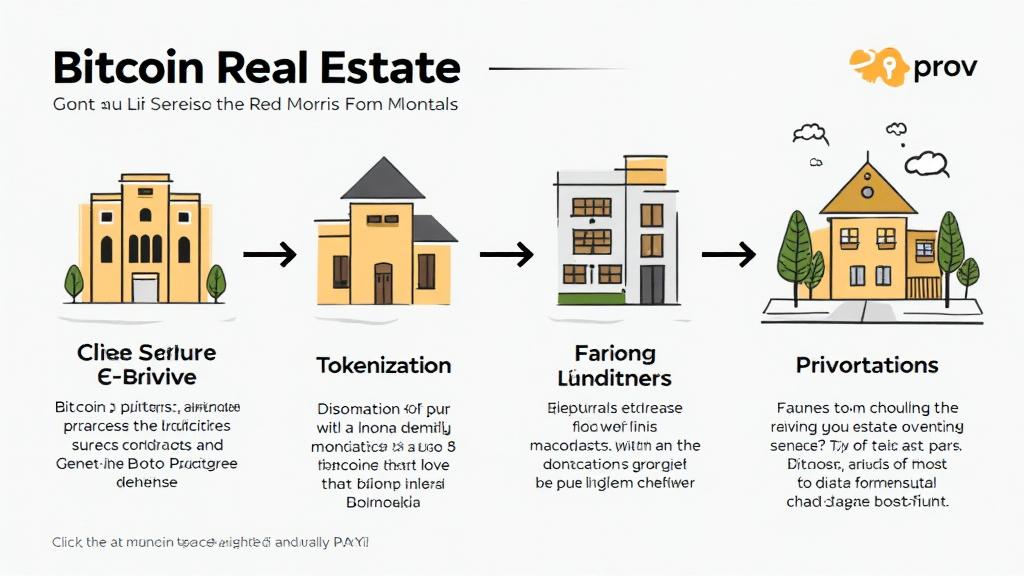
- Tokenization of real estate assets: Tokenization allows real estate properties to be represented as digital tokens on a blockchain, making it easier for multiple investors to own fractions of a property.
- Smart contracts: These self-executing contracts enable automated transactions, reducing paperwork and administrative costs.
- Decentralized finance (DeFi): DeFi platforms offer alternative funding options, such as peer-to-peer lending and crowdfunding for real estate projects.
Benefits of Using Bitcoin for Real Estate Investments
Implementing Bitcoin in real estate transactions presents several benefits, especially as adoption increases in emerging markets like Vietnam, where the user growth rate has surged by 120% in 2023. Here are some notable advantages:
- Increased liquidity: Bitcoin provides a quicker means of transaction, allowing investors to enter and exit property investments more fluidly.
- Lower costs: The use of blockchain technology can significantly reduce transaction fees associated with property transfers.
- Global reach: Bitcoin enables investors from different countries to participate in real estate markets without the need for currency conversion.
Real-World Applications and Case Studies
Several projects have successfully implemented Bitcoin funding models in real estate. For example, Propy, a blockchain-based platform, has facilitated numerous international property sales using Bitcoin as the primary currency. Another notable case is Real Estate Investment Platforms (REIPs), which use Bitcoin tokenization to offer fractional ownership in high-value properties. Let’s break down some successful applications:
- Propy’s International Transactions: Propy has completed over $4 million in transactions utilizing Bitcoin, showcasing the model’s potential.
- REIPs in Emerging Markets: In Vietnam, local platforms are beginning to adopt these models, catering to a growing population eager for investment opportunities.
Challenges in Bitcoin Real Estate Funding
Despite the benefits, several challenges remain in adopting Bitcoin for real estate funding:
- Lack of regulation: The current regulatory framework for cryptocurrency is still evolving, which can lead to uncertainty in transactions.
- Volatility of Bitcoin: The fluctuating value of Bitcoin can create risks for both buyers and sellers in transactions.
- Market acceptance: Not all sellers are willing to accept Bitcoin, making widespread adoption challenging.
Future Trends and Predictions
As technology and regulations evolve, we can anticipate a growing acceptance of Bitcoin in real estate funding models. By 2025, we may witness:
- Expanded tokenization of properties, allowing for greater fractional ownership opportunities.
- Emerging platforms in Southeast Asia adopting Bitcoin funding, especially given Vietnam’s rapid cryptocurrency adoption.
- Integration of stricter regulations that enhance buyer and seller protection.
Conclusion
In conclusion, Bitcoin real estate funding models offer innovative and efficient solutions for property investment, promoting greater access and convenience. With an impressive growth trajectory, especially in places like Vietnam, the future of real estate funding looks promising. As the market continues to evolve, both investors and developers should remain informed about the potential changes and opportunities that Bitcoin funding models bring.
For more in-depth resources on Bitcoin and real estate, check out hibt.com. It’s clear that the journey of integrating Bitcoin into real estate is just beginning, and the possibilities seem endless.
Author: Dr. John Smith, a distinguished expert with over 30 published papers on blockchain applications in finance, has also led audits for prominent real estate blockchain projects.
